Fog is forecast over about 96% of Maldon, the highest coverage among the Essex towns listed. Burnham-on-Crouch is next at about 86%.
For drivers, the figures point to fog in several areas on 21 November, but they do not say how dense it will be on a particular road. No fog-related delay estimate or weather warning is included.
Which Essex towns have the most forecast fog?
| Town | Forecast fog coverage |
|---|---|
| Maldon | about 96% of the area |
| Burnham-on-Crouch | about 86% of the area |
| Wivenhoe | about 85% of the area |
| Canvey Island | about 84% of the area |
| Southminster | about 84% of the area |
| Brightlingsea | about 83% of the area |
| Rochford | about 83% of the area |
| Southend-on-Sea | about 83% of the area |
Source: MET Norway location forecasts for 21 November 2026, covering 21 November 2026 to 22 November 2026.
The figures describe forecast coverage across each area, not visibility at every point. MET Norway’s town forecasts also label Wivenhoe, Southminster and Brightlingsea as partly cloudy, while Maldon, Burnham-on-Crouch, Canvey Island, Rochford and Southend-on-Sea are labelled fog.
Will fog cause delays on Essex roads?
The forecast gives no expected journey delays, visibility distance or specific roads affected by fog. It cannot show whether a particular route will be difficult at the time you travel.
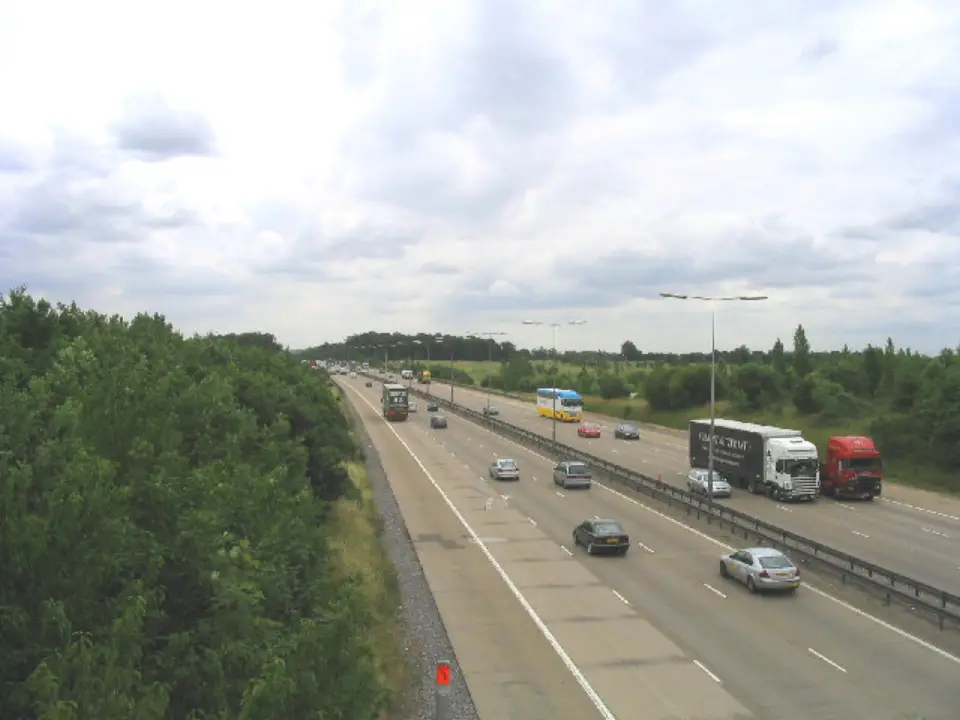
Separate National Highways notices list closures on the A1089, A12 and A120 during the forecast period. The A120 closure is expected to cause severe delays of more than 30 mins; the other two notices give moderate delays.
Which Essex roadworks could affect journeys?
| Road and location | Direction or closure | Dates | Expected delay or diversion |
|---|---|---|---|
| A1089, Marshfoot to A13 westbound link road | Northbound lane and link road closure for drainage works | 16 November 2026 to 24 November 2026 | Moderate (10 - 30 mins); diversion via Local Authorities and National Highways Network |
| A12, Jct 27 to Jct 28 | Northbound carriageway closure for reconstruction renewal | 11 November 2026 to 23 November 2026 | Moderate (10 - 30 mins) |
| A120, West Street to Colchester Road, Coggeshall Bypass | Both directions; carriageway closure and diversion route | 9 November 2026 to 28 November 2026 | Severe (more than 30 mins) |
Source: National Highways roadworks notices. The A1089 notice was published on 7 September 2026, the A12 notice on 6 November 2026 and the A120 notice on 11 November 2026.
What should drivers check before setting off?
Check the latest local forecast and road conditions before travelling, as the town figures do not show conditions on your route. For updates on the listed closures, see National Highways travel updates.
About the figures
MET Norway published the location forecasts on 20 November 2026 for 21 November 2026 to 22 November 2026. The coverage figures are forecasts, not observations, and no visibility measurements or fog warning are supplied. National Highways published the roadworks notices on the dates listed above.